We are absolute and best for quality marine repair service and supply, industrial repair service and supply
About Us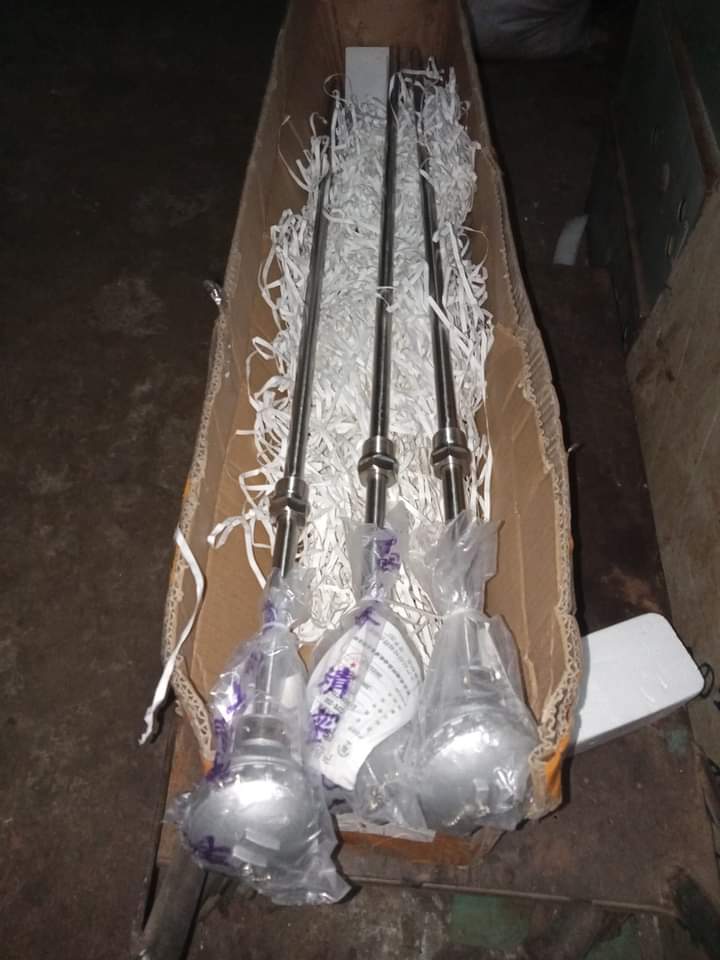
With best price offers…
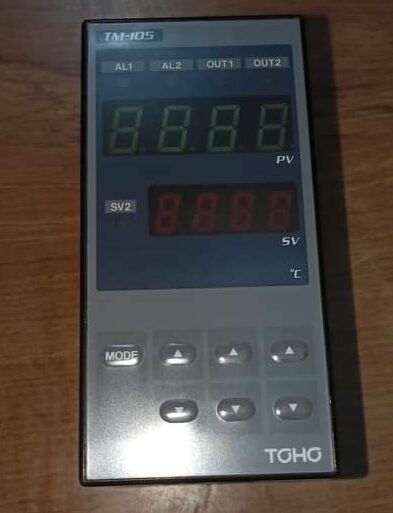
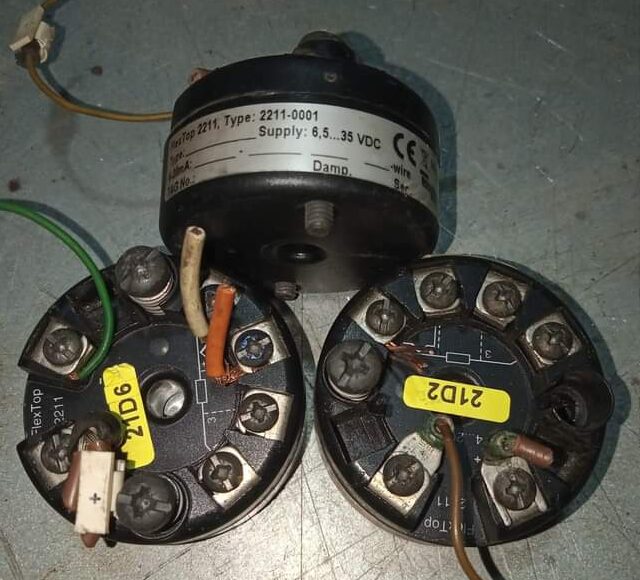
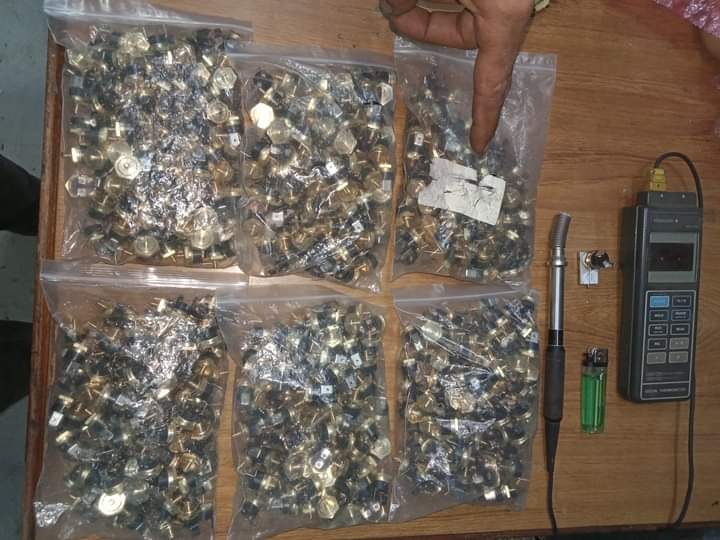
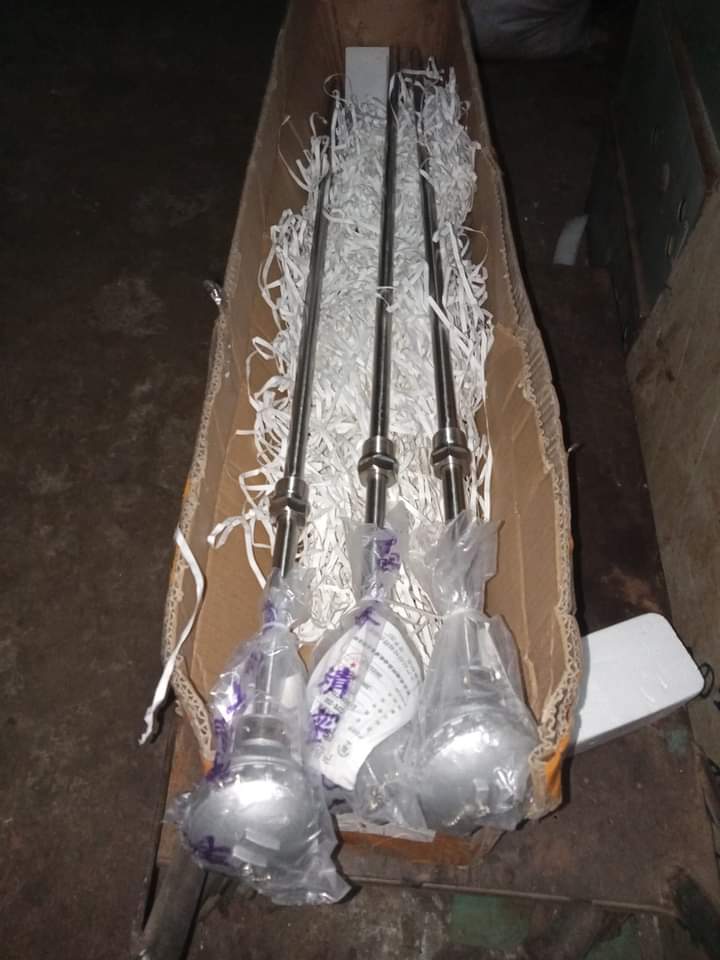
WZPK-280 Thermocouple sensor PT 100 in stock
there are many types of temperature sensors available as below…
1. -Negative Temperature Coefficient (NTC) thermistors…
A thermistor is a thermally sensitive resistor that exhibits a continuous, small, incremental change in resistance correlated to variations in temperature. An NTC thermistor provides higher resistance at low temperatures. As temperature increases, the resistance drops incrementally, according to its R-T table. Small changes reflect accurately due to large changes in resistance per °C. The output of an NTC thermistor is non-linear due to its exponential nature. however, it can be linearized based on its applications. The effective operating range is -50 to 250 °C for glass encapsulated thermistors or 150°C for standard thermistors.
2. r Resistance Temperature Detector (RTD)…
A resistance temperature detector, or RTD, changes the resistance of the RTD element with temperature. An RTD consists of a film or, for greater accuracy, a wire wrapped around a ceramic or glass core. Platinum makes up the most accurate RTDs while nickel and copper make RTDs that are lower costs. However, nickel and copper are not as stable or repeatable as platinum. Platinum RTDs offer a highly accurate linear output across -200 to 600 °C but are much more expensive than coppers or nickels.
3. Thermocouples…
A thermocouple consists of 2 wires of different metals electrically bonded at two points. The varying voltage created between these two dissimilar metals reflects proportional changes in temperature. Thermocouples are nonlinear and require a conversion with a table when used for temperature control and compensation, typically accomplished using a lookup table. Accuracy is low or medium, from 0.5 °C to 5 °C but thermocouples operate across the widest temperature range, from -200 °C to 1750 °C.
4. Semiconductor temperature sensors…
A semiconductor-based temperature sensor is usually incorporated into integrated circuits (ICs) like. These sensors utilize two identical diodes with temperature-sensitive voltage vs current characteristics which are used to monitor changes in temperature. They offer a linear response but have the lowest accuracy of the basic sensor types. These temperature sensors also have the slowest responsiveness across the narrowest temperature range (-70 °C to 150 °C). etc.
Thank you very much to click us read everything…
Rate and buy from us on google and facebook
| Not Available |